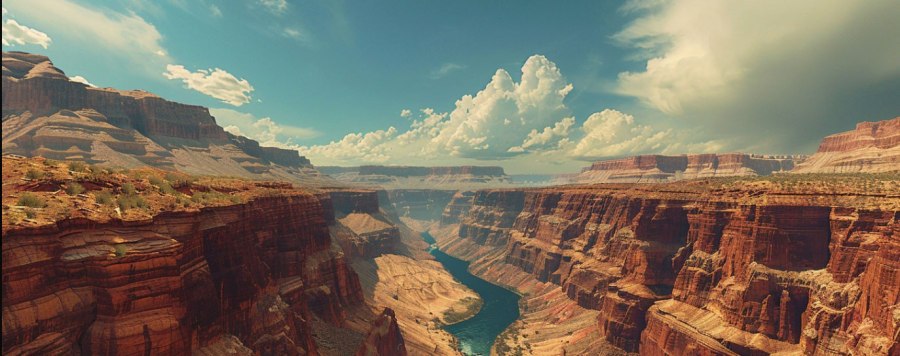
The Grand Canyon is One of the Most Awe-Inspiring
Its vast cliffs and winding gorges draw millions each year, eager to stand on the rim and gaze into the silence of geologic time. Yet in D.L. Blanchard’s Blue Moon Bench, the Canyon is more than a marvel of nature—it is a character in itself, a place where shadows conceal secrets and tragedies refuse to stay buried.
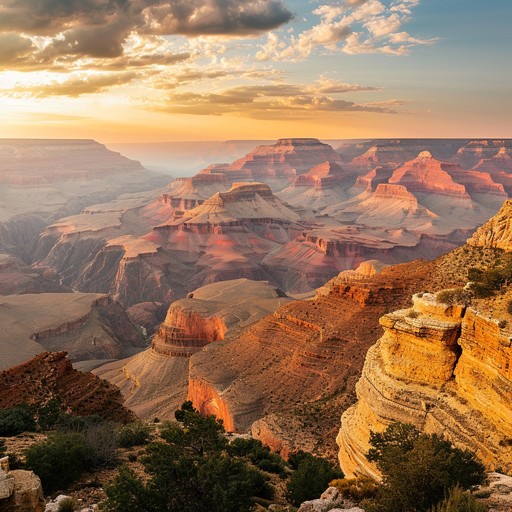
Rachel Dawson’s mysterious death, officially dismissed as an accident, casts its longest shadow here. Found at the bottom of the Canyon, Rachel becomes forever tied to this landscape of beauty and danger. For those left behind—her husband Alex, his new wife Jessica, and their friend Mac—the Canyon is no longer just a national treasure. It is the silent witness to a crime that may never be fully understood.
Anyone who has visited the Grand Canyon knows the way light and shadow play across its walls. Morning sun paints the cliffs gold, while evening casts them in violet gloom. In the novel, those shifting shadows mirror the uncertainty surrounding Rachel’s death. What appears clear and brilliant one moment fades into obscurity the next. Was Rachel’s fall simply an accident? Or does the Canyon hold proof of something darker, something carefully hidden?
Jessica, an outsider to this desert world, feels the Canyon’s weight acutely. As she learns more about Rachel’s final night, the Canyon becomes more than a place on the map—it becomes a symbol of her doubts. Its sheer cliffs remind her of the precariousness of trust. Its silent depths echo her unanswered questions. For readers, this connection is strikingly human: how often do we link places to memories, both beautiful and painful? A favorite park, a childhood home, or even a quiet street can become forever tied to what we experienced there. For Jessica, the Canyon is inseparable from fear, suspicion, and loss.
Mac, too, sees the Canyon in symbolic terms. As an anthropologist, he marvels at its hidden caves and ancient dwellings. But his jealousy of Alex and his fixation on Rachel taint even the Canyon’s grandeur. He speaks of it with reverence one moment and bitterness the next, as if the very rocks hold proof of betrayal. In this way, the Canyon reflects not only the external mystery, but also the internal conflicts that drive the characters.
Blanchard’s choice to anchor the story in this iconic landscape is powerful. The Grand Canyon is timeless, but it is also perilous. Its beauty draws people in, even as its depths remind them how fragile life is. In Blue Moon Bench by D.L. Blanchard, the Canyon is not simply scenery—it is a keeper of secrets, a reminder that shadows can hide both danger and truth.
For those who have ever stood at its rim, the Canyon can feel humbling, even unsettling. In the novel, that same humbling force becomes a crucible for mystery, love, and betrayal. The shadows in the Grand Canyon are not just geological—they are human, cast by the lives and choices of those who dare to stand at its edge.
Click Here to Purchase Blue Moon Bench, a Mystery novel of the southwest
 BLUE MOON BENCH