The Mystery of Rachel’s Death, and Living in Her Shadow
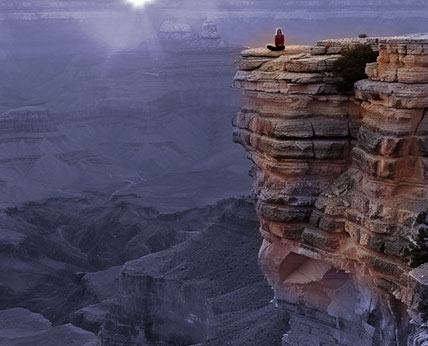
The desert is often thought of as a place of solitude and silence, a wide-open landscape that seems too vast to hold secrets. Yet in D.L. Blanchard’s Blue Moon Bench, the Arizona desert becomes the keeper of one of the most unsettling mysteries: the death of Rachel Dawson. Officially deemed an accident, her tragic fall into the Grand Canyon leaves behind not only unanswered questions, but also a haunting presence that lingers over everyone who knew her.
Rachel’s story is not just another case of a woman gone too soon—it is the emotional heartbeat of the novel. She was beautiful, intelligent, and beloved, making her sudden end all the more difficult to reconcile. To her husband Alex, she was a radiant first love; to Jessica, the woman who becomes Alex’s second wife, she is an ever-present ghost. For the reader, Rachel becomes both a memory and a mystery—was she simply a victim of chance, or was there something darker at play?
The human element in this story is Jessica’s struggle to live in Rachel’s shadow. Every room in the Dawson ranch, every whispered comment from friends, and every lingering glance reminds her that Rachel once occupied the space she now calls home. Many readers can empathize with that unsettling feeling of comparison, of wondering if they will ever measure up to the memory of someone who is gone but not forgotten. The weight of the past doesn’t just rest on Alex’s shoulders; it presses down on Jessica, shaping her fears and her resolve.
But Rachel’s death is more than an emotional burden—it is a catalyst for suspense. The circumstances are riddled with contradictions: she was last seen leaving a party alone, her car abandoned at a desolate location, and rumors swirl that she was not by herself that night. Friends like Mac raise suspicions, suggesting that Alex’s alibi might not be as solid as it seems. The desert, with its endless silence, becomes the perfect accomplice, concealing the truth as easily as it conceals footprints in shifting sand.
What makes this mystery so compelling is that it feels deeply human. Blanchard doesn’t just present Rachel as a plot device; she gives her a presence so strong that readers feel her absence as if she were a real person lost to them. Anyone who has grieved the sudden loss of someone close knows the way unanswered questions can gnaw at the heart. Was there something we missed? Could we have prevented it? Those questions echo through Jessica’s thoughts as she tries to build a new life while grappling with the possibility that her husband may not be telling her everything.
In Blue Moon Bench by D.L. Blanchard, the desert is more than a backdrop—it is a character in itself, holding secrets in its canyons and whispers in its winds. Rachel’s death remains the story’s central riddle, a haunting reminder that love, jealousy, and betrayal can leave their mark not only on people, but also on the very landscape where tragedy unfolds.
Click Here to Purchase Blue Moon Bench, a Mystery novel of the southwest
 BLUE MOON BENCH