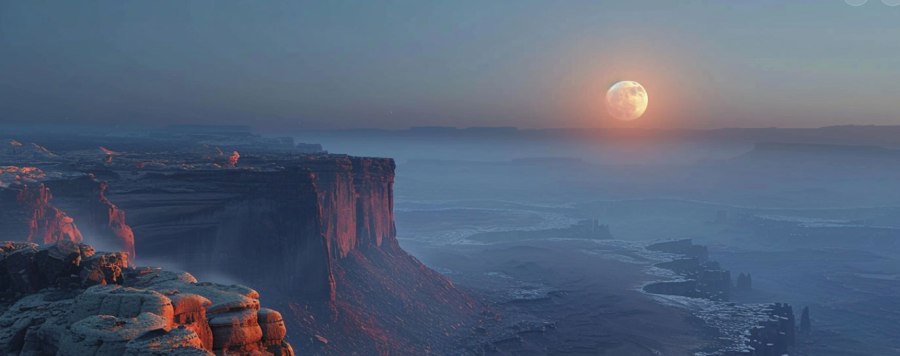
Blue Canyon photo, misty moon setting in the distance

The Hopi Kachina Dances

Culture, Symbolism, and Suspense

In D.L. Blanchard’s Blue Moon Bench, the story opens not with a body or a confession, but with a dance—a sacred ritual in the heart of northern Arizona’s Hopi Reservation.

Against the backdrop of the desert sun, Jessica Dawson, her husband Alex, and their friend Mac watch as the Kachina dancers enter the plaza. What unfolds is more than a colorful ceremony; it is the weaving of culture, symbolism, and suspense into the very fabric of the novel.

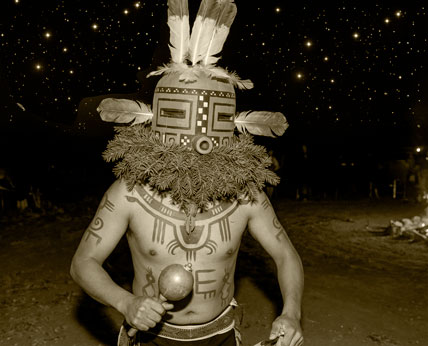
For the Hopi people, the Kachina dances are not performance or entertainment. They are spiritual events that carry prayers, blessings, and traditions passed down through centuries. Each dancer, dressed in elaborate masks and regalia, represents a Kachina spirit—beings believed to bring rain, fertility, and balance to life. The sound of rattles, drums, and chants is not just music; it is a language of connection between the physical and spiritual worlds.

Blanchard captures these details with sensitivity, grounding her suspenseful tale in the reality of a culture both mysterious and profound. Jessica, unfamiliar with the dances, feels both awe and displacement. She is a newcomer to the traditions, trying to understand their meaning while feeling the weight of her own insecurities. The vibrant colors and ancient rhythms contrast sharply with the dark undercurrent of danger lurking in the shadows—a stranger in a red cap, a glint of steel, and the sudden realization that she is being followed.

This collision of sacred ritual and mortal threat creates one of the novel’s most gripping juxtapositions. The Kachina dances are timeless, meant to bring blessings to the community, yet they unfold even as Jessica becomes entangled in a very human danger. The crowd, the costumes, the chants—all offer her both cover and exposure. In a sense, the dances become a metaphor for her journey: surrounded by symbols of protection, yet unable to escape the fear of what stalks her unseen.

Beyond the suspense, the dances highlight a universal truth about culture and tradition. To the Hopi, each movement, each mask, and each blessing carries meaning rooted in reverence. Yet, as Mac points out, outsiders often fail to understand this, treating the sacred as spectacle. His warning that the dances might one day be closed to the public resonates as a reminder of how fragile cultural respect can be.

For readers, this scene is more than a backdrop—it’s a reminder of how moments of beauty and community can coexist with fear and uncertainty. Just as Jessica tries to find her footing amid the chants and dust of the plaza, so too do many of us find ourselves balancing reverence for the past with the anxieties of the present.

In Blue Moon Bench by D.L. Blanchard, the Kachina dances stand as both cultural treasure and narrative catalyst. They are not only symbols of hope and continuity for the Hopi but also the stage upon which suspense takes root. Through them, the novel reminds us that even in the most sacred spaces, human vulnerability—and human danger—can find its way in.

Midnight & Self Publishing

Stroke of Midnight

The match that lit the candle almost burned out, and then I passed it on to the next person. My candle sat cuddled in my two hands as if I were beseeching it to answer my prayers. “May there be peace on earth, may all beings be well and happy, and may there be an end to war, strife and disasters.” I looked around at the other 70 or so people around me, also engaged with lighting of their own candle. They were also making private prayers. At the stroke of midnight we each get up and offered our candle to the a large and beautiful altar with Buddhist statues, abundant offerings and large, clear crystals.

This is an annual ritual in the Tibetan Buddhist community I belong to. It’s a very different way to spend New Years, and does involve some alcohol, lots of food, but mostly it involves thinking of others. I like that.

So what does that have to do with aspirational prayers for the year? Plain and simple – I’ve written this novel I’ve self published and am trying to do a final edit so I can take it to print. A lot of work. Long ago I promised to offer all proceeds to the temples badly needed renovation (central air and heat, upgraded electrical, new kitchen and plumbing for those living there and for events like this). This year I added a prayer for this novel to be a success so it can benefit that effort. Would you like to help?

Please join me in that prayer so it may help this pure intention inspired by the communities commitment to compassion for so many others throughout the year.

Wanna buy the book? Search for Blue Moon Bench on any major book source such as iBook, Amazon and Barnes and Noble. It’s not been through a last edit, but if you find errors or have any suggestions, just let me know. It’s a great adventure book about interesting and diverse people, including the main couples involvement with Tibetan Buddhism and kindness towards others. Their just American born people like myself, trying to make our way through a life that has difficulty and great blessings bundled together. A murder mystery in the southwest with intrigue, romance and mystery.

Hope your new year is perfect, and that you will be free of suffering.

D L Blanchard

UnPlugged – Letting Go!

Bloggers, Unplugged

What is it like having spent years, literally years, writing a novel you believe in and then having to convince others of it being worthy of their time? Writing and rewriting: copywriting it, creating a cover, getting it ready to ebook publish it, with formatting and hard work; then getting it ready for print. Re-reading it and re-writing it again. And then you have to sweat and labor at trying to get people to read it! Imagine that. I believe in my storyline, my characters, the premise, the motivation. I worked hard. I’m a published author, I’m a good story teller, it has all the elements. And yet… I have to find ways to market it myself. It’s exhausting!

And now… I’m going unplugged!

I lived in northern Arizona for almost 17 years. It was like being on vacation every day. I remember having a window in my shower, and one summer day I came home from a hike, took a shower with the window open. The smell of the Ponderosa pine tree outside the window drifted in along with the warm summer breeze. It reminded me of summers spent with my family on vacation in California. That feeling of expectation is in the novel.

I’d get home from work in Flagstaff and ride my mountain bike before dinner, whizzing up a canyon single track trail to a water tank that all the wildlife used every day. Deer, moose, wild pigs, and small animals like raccoons and rabbits. Sometimes the wildflowers grew so high I could reach out my hand from my bike and swirl their tops as I passed. A friend of mine told a story of how one day as he rode that same single track, a herd of moose came from out the woods and for a few moments he rode with the moose as if he was part of the herd! What a beautiful place. That experience of beauty is in the novel.

It’s all in the novel. The Native American culture, the suspense of the southwest, the beauty of the land and it’s mystery. It’s all in the book. I opened my heart, my imagination, my love for that part of the world to share with others — unplugged.

I’m letting go.

The novel’s sales are intended to benefit the Tibetan Buddhist center which is in horrible need of renovation. The electrical wiring is out of date, the heating system groans, the air conditioning consists of window units in each of the nuns rooms even in 100 degree heat. The kitchen air conditioner just isn’t sufficient enough and it’ always sweating hot there. I wanted to help.

I’m letting go.

Buy the book, don’t buy the book. But I’ll sleep good tonight knowing that I tried every day for years to send people to the website, encourage friends to read it, invite perfect strangers to give it a review on Amazon, Barnes and Noble, or iBookstore so others might be encouraged to read it.

I believe in the novel. I’m letting go of the worry. I believe it will win the interest and gain in popularity. Especially if I pray. I have asked others to pray.

I’m letting go. But I’m not giving up. Read Blue Moon Bench. You won’t be sorry.

Amazon; Blue Moon Bench

Barnes and Noble

On any mobile device just search for Blue Moon Bench Blanchard
And thank you for letting me become a little unplugged. It felt good.

Suspense Novel with Buddhist Characters

When asked why my main characters in Blue Moon Bench are American born Tibetan Buddhist’s, the answer is because we write what we know. I am an American born Tibetan Buddhist and I was interested in making the idea of that less scary for the average reader who might have been brought up Christian, and is uncertain about the whole idea. And for those who find the idea appealing, I hoped they would enjoy reading how other American Buddhist’s live.

Being a Vajrayana practitioner is such a special thing, I also wanted to show how it can work it’s way into a daily life, and how it’s really not completely different than other beliefs that believe thinking of others and compassion as the practice of truth. Jessica and Alex are simple people who use meditation, mantra and practice as a way to reduce stress, and to turn to something higher when you become fearful or things are out of your control and dangerous.

The story is built around Jessica and Alex’s relationship, how they interact as two people very much in love, and how their day to day living turns to something very uncertain very quickly.  Woven within the context of this story is the beauty of the Buddha dharma. I really hesitate to mention prayer, or faith, or religion – because this isn’t a book about religion with a storyline, it’s a book about a story with some religion tucked in.

One thing about the cave at the end (not to much detail here because I don’t want to spoil the story), is that it’s based on a true story. When I first conceived the book, I created a website with the name Blue Moon Bench, a young man contacted me and told me his father was treasure hunter. More about that later, but one of the interesting things this young man shared was the story in the Phoenix Gazette about his father and his adventures did actually say ‘Buddha’ like images were found in this cave in the middle of Arizona! So it was a perfect fit for my story so I wrote it in.

If you’d like to learn more about Tibetan Buddhism and what it’s about, I’d suggest you visit http://www.tibetanbuddhistaltar.org, a website with content written by Jetsunma Ahkön Lhamo, a very high tulku (recognized high Lama choosing to take rebirth in a specific place in the world) and my Root Lama. It’s got some really beautiful and profound teachings, and is rooted in Tibetan Buddhism in the Palyul tradition.

I’m not a teacher, nor did I try to even begin to convey that in the book, and that’s why I kept their practice and beliefs very basic and simple – based on the four basic truths of  Buddhism, things that I know the Buddha taught. I hope when you finish reading the book, the idea of being a Buddhist will feel more comfortable for those who might find it odd, or not American. And for those who have an interest, don’t stop exploring and asking questions. It can change your life. It did mine.

Eh ma ho!