

Some stories thrive on logic and fact, others blur the line between reality and the unseen.
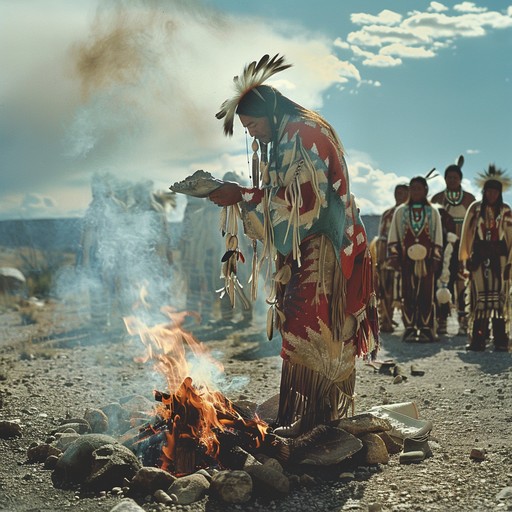
In D.L. Blanchard’s Blue Moon Bench, the mystery of Rachel’s death is layered not only with human motives but also with whispers of the supernatural. Spirits, shamanic presences, and shadowy figures appear throughout the novel, deepening both its suspense and its exploration of belief.
Jessica, new to Arizona’s desert world, is already unsettled by her role as Alex’s second wife and by the unanswered questions surrounding Rachel’s fate. But what unsettles her even more is the sense that the world she has stepped into does not operate solely on reason. She feels presences—echoes of spirits that seem to haunt both her new home and her new marriage. At times, it is difficult to tell whether these apparitions are real or whether they spring from her own anxiety. Either way, the effect is chilling.
For readers, these moments resonate because they reflect a deeply human truth: when we are already afraid, the shadows seem to take on a life of their own. Anyone who has walked into a darkened room after loss or betrayal knows how the imagination fills in the silence. Jessica’s experiences make her more vulnerable, more human, and more relatable.
The shaman figure, too, adds a layer of both mystery and wisdom. Representing knowledge outside the realm of science or anthropology, the shaman becomes a bridge between the seen and the unseen, reminding characters that not all truths can be measured or proved. This presence highlights one of the book’s central themes: spirituality is not bound by labels. Just as the Hopi Kachina dances carry meaning beyond performance, the shaman represents the possibility that truth lives in places science alone cannot reach.
Then there are the shadowy figures—ambiguous, threatening, and never fully revealed. They stalk Jessica in alleys, appear at the edge of crowds, and seem to vanish as quickly as they arrive. These figures serve as metaphors for her inner fears but also as tangible threats that move the plot forward. Are they flesh-and-blood pursuers with sinister motives, or are they manifestations of her doubts and suspicions? Blanchard deliberately blurs the line, leaving the reader to sit in the same uneasy uncertainty as Jessica herself.
What makes this blend of the spiritual and the mysterious so compelling is how it mirrors real life. We may not all encounter shadowy figures on desert trails, but we all know what it feels like to be haunted—by grief, by memory, or by choices left unresolved. The idea that unseen forces, whether spiritual or psychological, shape our lives is one that resonates across cultures and beliefs.
In Blue Moon Bench by D.L. Blanchard, spirits, shaman, and shadowy figures are not decorations on the story—they are essential to its power. They remind us that truth is rarely simple, and that sometimes the most profound answers lie in the spaces where faith, fear, and mystery intersect.
Click Here to Purchase Blue Moon Bench, a Mystery novel of the southwest






 BLUE MOON BENCH